


It takes years of careful purchasing, patient aging, and personal history to curate a wine collection. So, you want to protect that investment during a move, but it requires more than placing bottles in divided boxes and loading them with the rest of the household.
Wine is sensitive to temperature changes, light, movement, and handling. You should also keep in mind that rare vintages may require detailed documentation, special packing, and valuation planning. A successful wine cellar relocation begins well before moving day and continues until every bottle has been verified and placed in the destination cellar.
Start with a bottle-level inventory
Create a complete inventory before you remove anything from the racks. Include the producer, vintage, bottle size, quantity, cellar location, and estimated value. Also, take photos of rare or expensive bottles individually, making sure to include labels, capsules, fill levels, and existing damage.
A detailed inventory will help with packing decisions, delivery verification, and valuation documentation. It also makes it easier to organize your new cellar after the move. Our home inventory guide recommends documenting valuable items individually instead of grouping them with ordinary household goods.
Take a second look at anything in your collection that’s easy to overlook but expensive to replace – a large-format bottle, a wine with a delicate original label, a case that’s part of the bottle’s value. If you’re crossing state lines, review valuation coverage options carefully, since anything that qualifies as extraordinary value needs to be declared in writing to actually be protected.
Tip: Keep a cloud-based inventory and a copy with you. Do not place the collection’s only record inside the shipment.
Plan the cellar move as a separate project
Treat the collection as its own workstream within the household move. Your moving team should know the collection size, approximate value, bottle formats, access conditions, and destination requirements during the planning stage.
A pre-move assessment should take stairs, elevators, loading access, travel distance, seasonal weather, and the time bottles could spend outside a protected environment into consideration. Before your collection is delivered to the new space, confirm that the cellar is operating properly. If it will not be ready, arrange appropriate temporary wine storage rather than placing the collection in a garage or standard storage unit.
International moves need extra lead time. What you can bring, how much it’ll cost in taxes, and what customs documents you need all depend on where you’re headed — and your carrier may have its own rules as well. The Alcohol and Tobacco Tax and Trade Bureau’s personal-importation guidance is a useful reference, but you should contact the destination country’s customs office and your carrier ahead of time to confirm the specific requirements.
How much it will cost to relocate your collection will vary depending on how many bottles you have and their value; what’s required to pack them; and access, distance, transportation conditions, temporary storage, and destination setup. Ask for a written scope explaining responsibility for each stage.
Tip: Before packing begins, confirm the route and delivery location for your collection and build your schedule around that.
Use packing designed for the collection
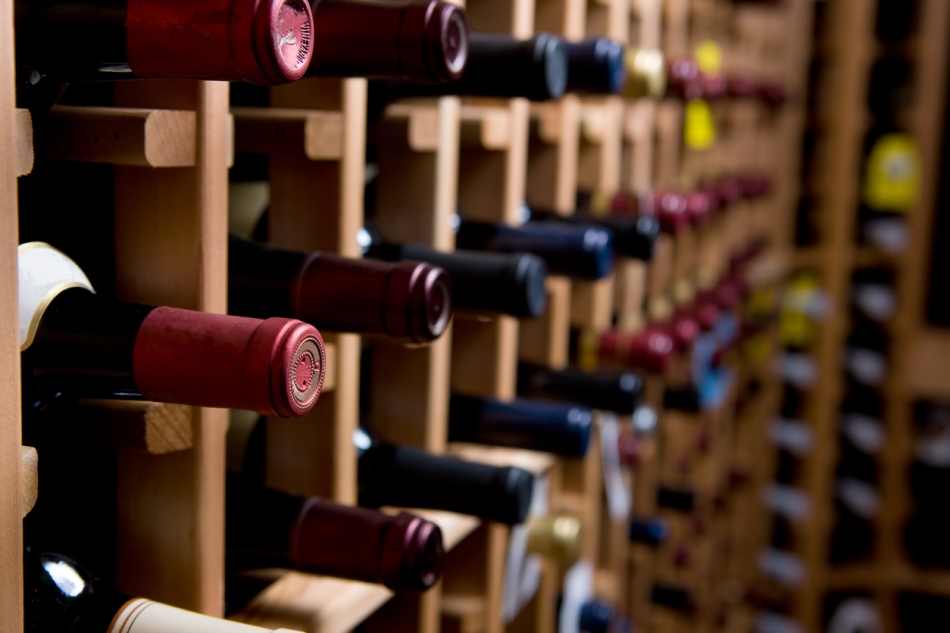 Standard cardboard boxes may not have enough structure or separation for your valuable bottles. Professional wine packing may include rigid cartons with individual bottle cells, molded inserts, insulated materials, and custom crates for irregular or large-format bottles.
Protect each bottle from neighboring glass and secure them against movement inside the container. Don’t overload the boxes simply to reduce the number of cases. Original cartons or wooden cases may be used when structurally sound, but worn packaging should be reinforced or replaced.
A professional mover’s full-service packing options can help coordinate specialty packing with the rest of a high-value household relocation.
Tip: Use coded labels that identify the destination rack or cellar zone without advertising the collection’s contents or value.
Minimize environmental changes during transport
During a relocation, the goal is to reduce sudden changes and unnecessary exposure, and temperature, humidity, and light exposure are important variables.
Talk with your mover before your move. Ask them how they will minimize the time your collection will be outside, protect your bottles from direct sunlight, keep bottles from shifting and vibrating, and manage temperature during transit. For a long-distance or summer move, climate-controlled transport may be appropriate. Also, ask what happens during delays or overnight stops and whether the collection will remain on a dedicated vehicle.
Look for a moving partner with luxury moving services that include customized planning and controlled handling, as well as specialized transport solutions like climate-controlled options for high-value relocations.
Tip: Consider moving your wine cellar during a dedicated window instead of packing it during the busiest hours of your household move.
Verify every bottle before restocking
When your collection is delivered to the new space, compare each case with the inventory before stocking it in the cellar. Look for the following:
- Missing cartons
- Broken seals
- Wet packaging
- Label damage
- Visible leakage
Take photos and document them before signing final delivery paperwork from your mover.
Use the inventory map you created before the move to restock your cellar. This helps restore categories, regions, vintages, and drinking windows without having to rebuild the collection’s organization from memory.
Tip: To create a simple post-move record, take a photo of each completed rack or cellar area.
Protect your collection with an experienced luxury moving team
Careful documentation, specialized packing, controlled logistics, and a destination ready to receive the collection are essential to a successful wine cellar relocation. Coordinating those details early helps you preserve both the bottles and the organization that makes the cellar useful.