


Seniors moving out of a long-time home face a different kind of move: sorting a lifetime of belongings, often alongside physical limitations that make the process slower and harder. Planning for both up front is what keeps the move from becoming overwhelming.
Whether you’re downsizing from a long-time home or relocating to a new community, this senior moving checklist will help you stay organized during every stage of your move
1. Early planning is key
Starting months ahead – not weeks – is what prevents the last-minute scramble that makes moving harder than it needs to be. It’s also worth looking into senior move management companies that specialize in the packing, sorting, and logistics unique to a senior move
Family involvement early on tends to help most with the hardest part: deciding what to keep. Beyond that, an extra set of hands for organizing and someone to lean on emotionally both make a real difference.
2. Decluttering and downsizing
Downsizing is usually the most difficult part of a senior move. Deciding what to keep when moving into a smaller home or assisted living takes time. While it’s not easy, many seniors find it genuinely satisfying to make those calls on their own terms. Sorting into simple categories of keep, donate, or discard will make an overwhelming task feel managable.
Sentimental items take the most time to sort through, and that’s fine. Rushing a decision on a meaningful item is worse than the time it takes. Keeping what matters most and handing down the rest to family now, rather than later, often means more to everyone involved. It also means less to move when moving day comes.
3. Researching senior-friendly moving services
Not every moving company is set up to manage a senior move well. Look for one with real experience in this space – movers who know how to work around physical limitations, coordinate with medical equipment, and move at a pace that doesn’t feel rushed.
Professional movers take the heavy lifting and logistics off the family’s plate, so that time goes toward what actually matters on move day, not toward carrying boxes. Movers experienced with senior relocations also know to watch for things a standard crew wouldn’t: mobility aids, medical equipment, a pace that isn’t rushed.
4. Packing with safety and comfort in mind
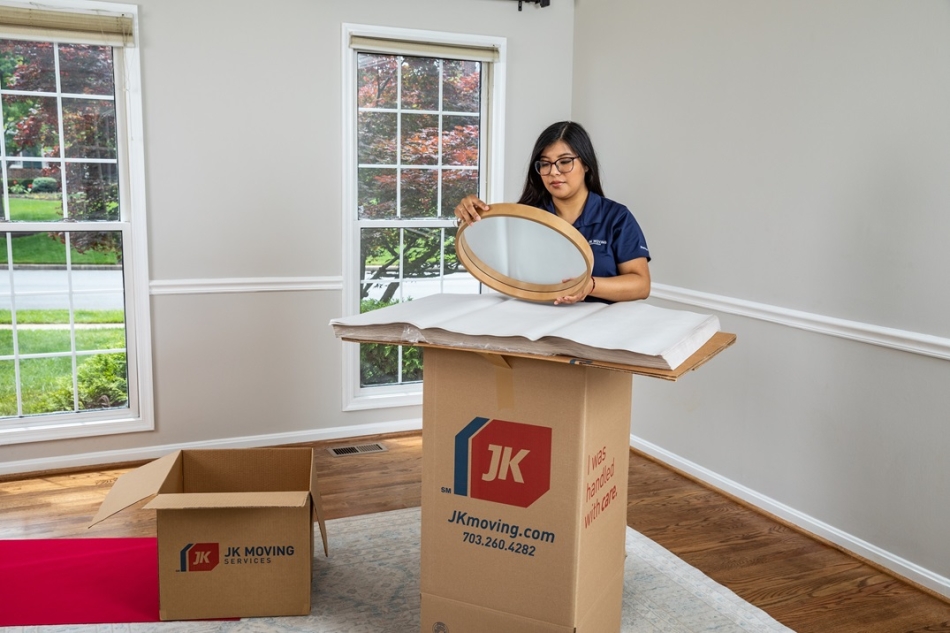 Packing safely is key. One of the best senior-friendly moving tips is to pack in a way that minimizes physical strain. Smaller, lighter boxes make lifting and carrying easier, and hiring professional packers removes the heavy lifting from the equation entirely. This can prevent potential injuries and ease the workload.
Keep medications, important documents, and daily necessities in one clearly labeled box that travels with you, not on the truck. That way they can be easily accessed and retrieved during your move.
5. Managing the move day
Confirm everything with the moving company before moving day arrives: time, address, any special instructions. Most moving-day stress comes from a detail that should’ve been confirmed and wasn’t.
Staying organized and calm will help make the day less overwhelming, allowing seniors and their loved ones to focus on settling into their new home with peace of mind.
6. Setting up the new space for comfort and safety
Safety is an important consideration for seniors moving to a new home, and a few changes make it safer from day one. Grab bars in the bathroom, non-slip rugs, and frequently used items kept within easy reach can help prevent accidents and make daily life more manageable. Learn more in our senior relocation guide.
Unpack familiar items first – favorite photos, blankets, souvenirs. These small touches are what make a new space start to feel like home faster than anything else.
7. What happens after moving day
The hardest adjustment isn’t the boxes; it’s building a routine in an unfamiliar place. Finding a senior center, a new doctor, or a local group early on make the adjustment to a new place faster than figuring it out alone.
The emotional adjustment often takes longer than the physical move. Staying in touch with loved ones, building new routines, getting to know your neighbors – these are what actually make a new place start to feel like home.
Conclusion
None of this (downsizing, safe packing, setting up an accessible home) happens well without planning for it in advance. That’s the real difference between a senior move that goes smoothly and one that doesn’t.
If you or your loved one are planning a move and want expert assistance tailored to seniors, contact an experienced professional moving company with senior-focused moving services to make your senior moving process smooth and stress-free.