


Barcelona offers a combination that is difficult to find in many major cities: Mediterranean beaches, dense walkable neighborhoods, extensive public transportation, distinctive architecture, and access to the rest of Europe.
But you need to do much more preparation to move to Barcelona from the US than if you’re going to visit. Immigration paperwork, housing, healthcare, international shipping, customs requirements, and local registration can all affect your timeline.
Starting early and breaking the process into manageable stages can make your international relocation much easier.
Start with the right visa or residence route
US citizens can generally visit Spain and the rest of the Schengen Area for up to 90 days in any 180-day period without obtaining a short-stay visa. Moving there long term, however, requires the appropriate immigration status for your circumstances. Spain generally requires third-country nationals who intend to stay for more than 90 days for work, study, or residence to obtain the appropriate national visa or authorization.
Your options may include:
- Employment: If a Spanish employer is hiring or transferring you, work and residence authorization will usually be part of the process.
- Remote work: Qualifying employees and self-employed professionals who work primarily for organizations outside Spain may be eligible for Spain’s international teleworker program, commonly known as the digital nomad route.
- Retirement or financially independent residence: Spain also offers a non-lucrative residence route for people who can support themselves without working. Importantly, this route generally does not permit working, including remote work.
- Study or family circumstances: Separate immigration routes apply to students and some family members.
Requirements can change and may vary by visa type, so confirm the current process with the Spanish consulate serving your legal residence before making nonrefundable travel or moving commitments.
Tip: Start immigration research several months before your target move date. Visas, apostilles, translations, background checks, and other documents can take time to assemble.
Build your Barcelona moving timeline
A detailed international moving checklist can help keep immigration, housing, shipping, and travel tasks from becoming one large last-minute project.
A simple timeline might look like this:
90 days or more before moving
- Identify the correct visa or residence process.
- Gather immigration and identity documents.
- Research Barcelona neighborhoods and housing.
- Compare schools if moving with children.
- Begin getting international moving estimates.
60 days before moving
- Decide which belongings you will ship, sell, donate, or store.
- Begin your housing search.
- Make pet travel arrangements if applicable.
- Confirm health insurance requirements.
30 days before moving
- Finalize your household inventory.
- Confirm shipment and customs documentation.
- Arrange temporary accommodation if your permanent home will not be ready.
- Organize financial, school, medical, and prescription records.
7 days before moving
- Reconfirm flights and moving arrangements.
- Keep passports, immigration documents, medications, valuables, and essential records with you.
- Pack enough clothing and everyday supplies to cover the period before your shipment arrives.
Tip: International shipments and flights do not always arrive on the same schedule. Plan as though you may live without your household shipment for a period after arrival.
Choose a Barcelona neighborhood around everyday life
 Barcelona is relatively compact, but neighborhoods can feel very different from one another. Consider your commute, school needs, transportation, noise tolerance, and preferred type of housing before signing a lease.
A few areas Americans commonly investigate include:
- Eixample: Centrally located and known for its grid of broad avenues and apartment buildings.
- Gràcia: Dense residential streets, neighborhood plazas, independent businesses, and an atmosphere that can feel distinct from central Barcelona.
- Sants: Convenient for rail connections and practical for residents who expect to travel frequently from Barcelona Sants station.
- Poblenou: A mix of residential streets, newer development, offices, and proximity to the waterfront.
Apartment characteristics deserve as much attention as neighborhood names. Older buildings may have smaller elevators or no elevator at all. Street noise can vary dramatically from one block to another.
If possible, consider temporary housing first so you can tour neighborhoods and apartments in person before committing to a long-term lease.
Tip: Visit a potential apartment during the evening, not just during a daytime showing. Listen for street and building noise and test the actual walk to transit.
Budget for more than your monthly rent
Housing may be the most obvious expense, but your relocation budget should include the full cost of getting established.
Potential expenses include:
- Visa and document fees
- Flights
- Temporary accommodations
- Rental deposits and upfront housing costs
- Health insurance
- School expenses
- Pet transportation
- International shipping
- Storage
- Furniture or household items purchased after arrival
The cost of shipping household goods varies significantly based on shipment volume, origin city, transportation method, packing needs, and destination services. Our guide to international moving costs explains some of the biggest factors to include when building your budget.
Decluttering before your move can be especially valuable when moving overseas. Every piece of furniture you leave behind is something you do not have to ship, clear through customs, or fit into a Barcelona apartment.
Decide what is worth shipping to Spain
Sea freight is generally the practical option for a larger household shipment, while air freight may make sense for a smaller quantity of priority belongings.
Before deciding what to send:
- Measure large furniture and compare it with the dimensions of your destination home.
- Consider whether replacing inexpensive furniture may cost less than shipping it.
- Check whether US electrical appliances are suitable for Spain’s voltage and plug standards.
- Separate documents, medications, jewelry, and other valuables that should travel with you.
- Create a detailed household inventory for your mover and customs process.
People who are genuinely transferring their usual residence from the United States to Spain may qualify for customs and tax relief on eligible personal belongings. Spain’s Tax Agency lists conditions that generally include having lived outside the EU customs territory for at least 12 consecutive months and having possessed the imported personal property for at least six months before the move.
There are exclusions and documentation requirements, so coordinate customs planning with your international mover before your shipment leaves the United States.
Tip: Do not treat customs paperwork as something to handle after the container reaches Spain. Build the required inventory and documentation before pickup.
Prepare for healthcare, schools, and pets
Healthcare requirements depend in part on your residency status. Some immigration routes require applicants to show proof of qualifying health insurance before the move, so confirm those requirements when preparing your visa application.
If you take prescription medication, discuss your move with your healthcare provider and research how that medication is prescribed and dispensed in Spain. Carry necessary medication and documentation with you rather than placing it in your household shipment.
Families should begin researching schools before choosing a neighborhood. Consider enrollment requirements, teaching language, commute, school calendars, and whether you are looking at public, private, or international options.
If you’re planning to bring a pet to Barcelona, start planning early. Pet entry requirements for the EU (microchip, rabies vaccination, vet exam, health certificate) have to be completed in a specific order and timeline. Requirements can change, so confirm the current process before departure. Starting October 1, 2026, the EU requires a new health certificate format for many pets traveling from the US, so confirm that your veterinarian and USDA endorsement use the current forms.
Know the difference between NIE, TIE, and empadronamiento
Spanish relocation paperwork comes with several similar-looking terms.
Your NIE, or Número de Identidad de Extranjero, is the identification number assigned to a foreign national for dealings with Spanish authorities. It is a number, not a visa or permission to live in Spain.
A TIE, or Tarjeta de Identidad de Extranjero, is a physical card documenting the legal status of certain foreign residents. Whether and when you need one depends on the residence authorization you receive.
Empadronamiento means registering yourself on the municipal register at the address where you live. This is a local administrative process and is separate from obtaining immigration permission.
Keep these processes distinct when making your arrival checklist, rather than treating “registering in Spain” as a single task.
Tip: Keep digital and paper copies of your passport, visa or residence authorization, rental agreement, and other commonly requested documents. You may need the same paperwork for several different appointments.
Take care of first-week essentials
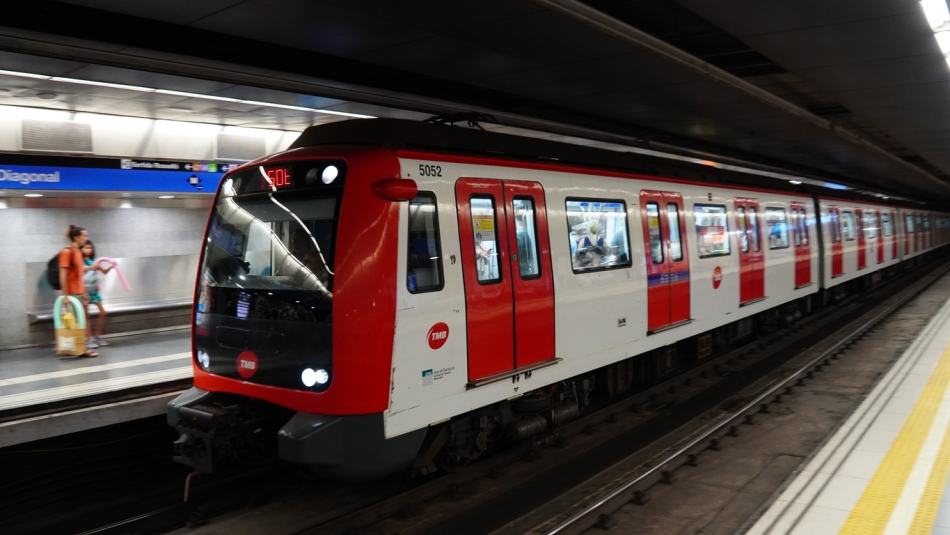 Once you arrive, focus on the systems you will use every day.
Depending on your circumstances, your first-week list may include:
- Completing required immigration or residence appointments
- Registering your address
- Setting up a Spanish mobile number
- Opening or arranging access to banking
- Confirming healthcare arrangements
- Learning your nearest Metro and bus routes
- Setting up utilities and internet
- Completing school enrollment
- Coordinating delivery of your household shipment
Spanish and Catalan are both part of daily life in Barcelona. You can function in many situations as an English speaker, but learning basic Spanish and Catalan phrases can make errands, appointments, and neighborhood interactions easier.
Make your international move easier to manage
There’s a lot involved if you’re moving to Barcelona from the US – a major household move, the immigration process, and the practical work of building a life in another country. The earlier you coordinate those pieces, the easier it is to avoid rushed decisions about housing, belongings, and transportation.
Look for a moving company with international moving services that include packing, transportation, customs coordination, delivery, and unpacking support for overseas relocations. Working with an experienced international moving team can give you one less set of logistics to manage while you focus on your move to Barcelona.