


Antiques come with history, craftsmanship, and often a value that goes far beyond the price tag. They can also be surprisingly vulnerable during a move. An old joint may not tolerate the same pressure as modern furniture, while original finishes, delicate veneers, glass, or ornamental details can be damaged if you use the wrong packing material or handling technique.
If you have antique furniture, heirlooms, fine art, or collectibles, the safest approach is to plan around each piece – don’t treat it like ordinary household furniture. For larger collections or high-end homes, white-glove moving services can provide the specialized packing, transportation, and coordination these items require.
Start with an inventory and condition record
To give you and your movers a clear baseline and help identify pieces that may require custom crating, professional disassembly, or other special handling, create a detailed inventory of your antiques before you wrap anything.
In your inventory, include photos of each piece from all angles. Also, note scratches, cracks, loose hardware, and signs of wear in your condition record. If you have especially valuable items, keep current appraisals and identifying details, such as maker’s marks or serial numbers, in your records.
Tip: Flag valuable or unusually fragile antiques during the pre-move walkthrough. A custom crate or specialized handling plan is much easier to arrange in advance than on moving day.
Use the right protection for each antique
There is no universal packing method for antiques. Materials and construction vary too much from piece to piece.
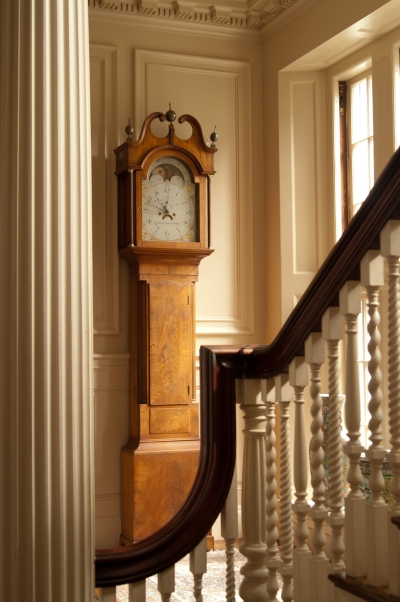 Antique furniture should generally be padded thoroughly, with extra protection around carved details, corners, legs, and delicate finishes. Adhesive tape should never be placed directly on wood, upholstery, paint, gilding, or other finished surfaces. Removable shelves, drawers, or hardware can sometimes be packed separately, but older furniture should only be disassembled when disassembly is safe.
Grandfather clocks, chandeliers, and similarly complex pieces may have removable weights, pendulums, crystals, shades, or other components that need to be packed individually. Porcelain, ceramics, glassware, and small collectibles should be wrapped separately and packed so they cannot shift or knock against one another.
Tip: Don’t assume more wrapping means more protection. Pressure on a fragile carving, an old finish, or a loose component can cause damage even when the outside of the piece looks well padded.
When should antiques be custom crated?
Custom crating can make sense when an item is extremely valuable, unusually shaped, difficult to stabilize, or particularly susceptible to impact and vibration. It may also be appropriate for pieces with fragile protrusions, old glass, intricate carvings, or delicate surfaces.
A properly designed crate supports the individual piece and limits movement during transportation. That can be especially important during a long-distance move, when belongings will spend more time in transit.
Not every antique requires a wooden crate, however. An experienced moving team should evaluate the item itself rather than applying the same solution to an entire collection.
Consider temperature and humidity
Physical handling is only part of the risk. Environmental changes can also affect older materials.
Research from the Smithsonian Museum Conservation Institute notes that changes in temperature and relative humidity cause wood to expand and contract, contributing to problems such as warping, splits, and adhesive failures. Paintings, photographs, textiles, and other materials can have their own environmental sensitivities.
If antiques need to spend time in storage between homes, consider climate-controlled residential storage rather than an uncontrolled garage, attic, or basic storage space.
Tip: Tell your mover if an antique has known conservation issues or is particularly sensitive to changes in temperature or humidity. That information can affect both transportation and storage planning.
Review valuation coverage before moving day
High financial value deserves attention before the truck arrives, too.
For interstate moves, the Federal Motor Carrier Safety Administration explains valuation protection options, including Full Value Protection and Released Value Protection. FMCSA also classifies items worth more than $100 per pound as “articles of extraordinary value,” which can include antiques and china. Those items should be disclosed to the mover in writing.
It’s worth reviewing your options with your moving company and, when appropriate, your insurance provider. For more details about valuation options, review our guide to valuation coverage versus moving insurance.
Choose movers with experience handling high-value items
When interviewing professional antique movers or a high-end moving company, ask specifically how they handle valuable and delicate pieces. Do they offer custom crating capabilities and secure transportation and storage options? Are their teams trained to handle delicate, high-value items? Can they provide a clear plan for furniture disassembly and reassembly?
Most importantly, the planning should begin before moving day. A century-old cabinet, family heirloom, or handmade chandelier deserves a moving plan built around the item itself.
Look for a professional moving company with high-end relocation experience that can provide specialized packing, custom crating, dedicated trucks and crews, and secure storage for valuable belongings. With the right preparation and experienced handling, your antiques can arrive at their new home ready for the next chapter of their history.