


If you’re relocating this summer, you’re doing it alongside one of the biggest travel events in years. The World Cup tournament started on June 11, with matches taking place through July 19 in 16 cities throughout the United States, Canada, and Mexico. If your move happens to overlap the tournament dates, you’ll end up sharing roads, airports, and rental listings with the projected 1.24 million international visitors to the US (roughly 60% of those trips wouldn’t be happening without it). With a little timing strategy, you can keep your relocation on track no matter how packed the calendar gets.
Why the 2026 World Cup affects your move
Eleven US host cities are hosting matches this summer: Atlanta, Boston, Dallas, Houston, Kansas City, Los Angeles, Miami, New York/New Jersey, Philadelphia, the San Francisco Bay Area, and Seattle. On match days, tens of thousands of visitors flood into hotels, onto highways, and through terminals. But you don’t have to be moving to a host city to feel it – regional flights, fuel costs, and moving truck availability can tighten across entire nearby metro areas. FIFA expects stadium attendance to top 6.5 million over the tournament, so the ripple effects reach well beyond the stands.
Tip: Check whether your origin or destination sits near a host city, then map your move around match days in that metro.
Should you schedule your move before or after the World Cup?
The most straightforward way to avoid the congestion is to steer clear of match days, and the day or two leading up to them. If you can shift your date by a week, you’ll find more truck availability, calmer roads, and steadier pricing. Hotel rates near host cities climb sharply around high-profile matches, which matters if your move requires a night or two in temporary lodging. For overseas moves, build in an extra buffer, because a single tight connection can throw off your whole timeline.
Tip: Book your moving date as early as you can, since the best crews and trucks fill up fast during the tournament window.
Can airport congestion affect your household goods shipments?
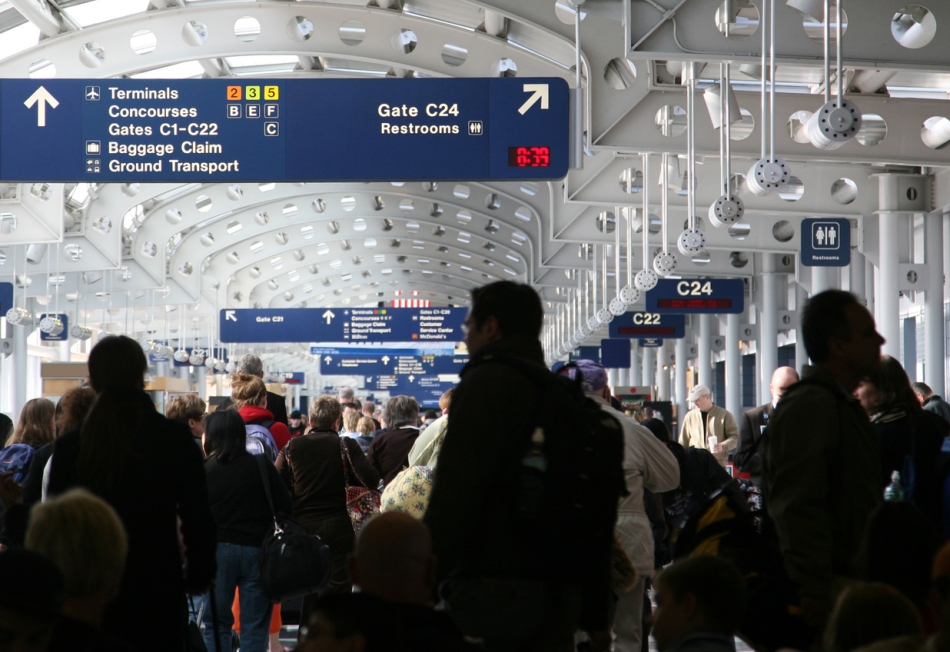 It can, and it’s worth factoring into your planning if you’re moving during the World Cup. Packed terminals and fuller flights put pressure on air freight, particularly on international routes moving through major gateways. Road closures and security zones around stadiums can reroute moving trucks and stretch local delivery windows. Ocean and air carriers are also managing heavier passenger and cargo demand during peak travel periods, which lengthens lead times. What can you do to ensure the least amount of impact on your move? Build more margin into every leg of your timeline and confirm delivery estimates in writing.
Tip: Ask your mover for realistic delivery windows in writing, and add a few buffer days for anything crossing a border.
How can you protect your housing search from rental scams?
Housing crunches create ideal conditions for fraud. According to the Federal Trade Commission, nearly $65 million have been lost in rental scams since 2020. About half of the recent reports start with a fake ad on Facebook. During a high-demand event, like the World Cup tournament, scammers post fake listings that copy real photos and undercut the market to lure quick deposits. Protect yourself with a few simple habits:
- Search the address online to see if it’s listed elsewhere at a different price.
- Never wire money or pay a deposit before seeing the place or verifying the landlord.
- Hold back your Social Security number and bank details until you’ve signed a legitimate lease.
If you need a gap between homes, secure storage keeps your belongings safe while you properly vet housing.
Tip: If a rental’s price seems too good to be true in a host city during the World Cup, treat it as a red flag and verify it before you pay.
How professional movers help reduce World Cup delays
Navigating congestion is part of the job for experienced movers – a major event just raises the stakes. Your move team can route around match-day traffic, schedule crews before availability tightens, and adjust timelines as necessary if conditions change. For long-distance moves in particular, the experience professional moving and logistics companies possess helps keep your shipment on track even when highways and airports don’t.