


People commonly choose to live in high-rise buildings, whether sleek apartments in the city or modern condos with stunning skyline views. Living in high-rise buildings offers a unique urban experience, with access to luxurious amenities like rooftop decks, gyms, and concierge services. However, as appealing as this lifestyle is, moving into these buildings can come with unique challenges, from navigating elevators to managing tight spaces. Preparing for these hurdles is key to ensuring a smooth and stress-free move.
High-rise moving logistics: Elevators, timing, and access
Reserve service elevators, confirm moving hours, and check parking logistics with building management. This ensures smooth access and avoids delays. High-rise building logistics and construction rules can make or break the move.
Plan for space
Measure your new space to make sure your furniture fits through doors and in elevators. If you are moving into a smaller unit, plan to donate, sell, or store items you do not use so you are not cramming your new home. Before you sign a lease, plug your income and monthly bills into a simple rent affordability calculator to confirm the payment fits your budget and the condo or apartment truly works for your space needs.
Pack with elevators in mind
Pack smaller, easy-to-carry boxes to navigate elevators and hallways smoothly. In any high-rise building, smaller boxes reduce the risk of damage and streamline the moving process.
High-rise moving checklist: Parking, delays, and tight spaces
Hiring professional movers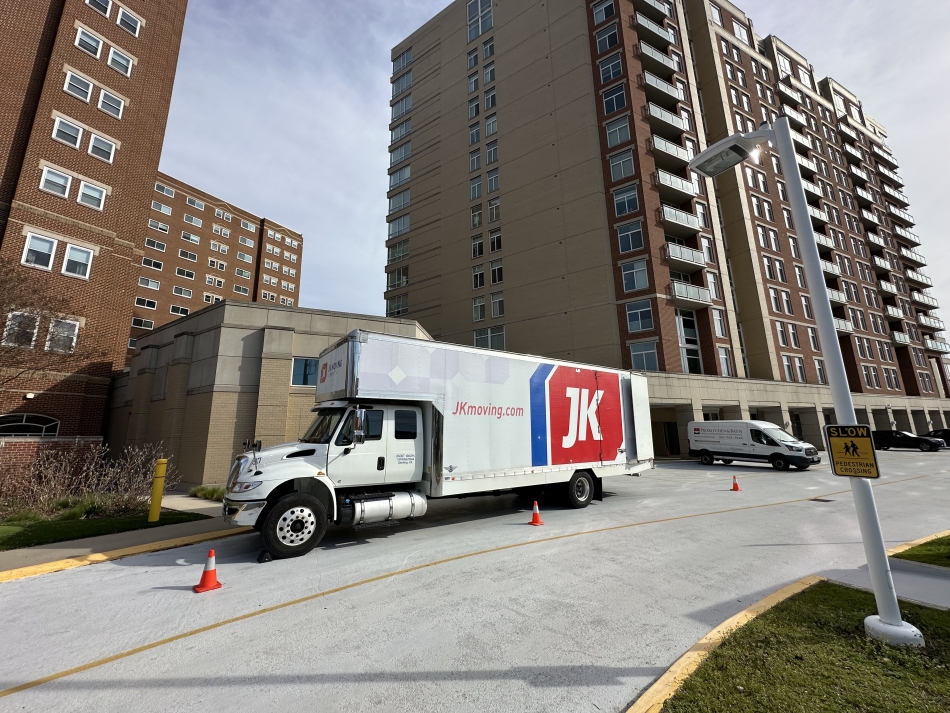 with experience working in high-rise buildings ensures they understand the logistics of elevators, staircases, and building rules, especially when using luxury moving services that provide white-glove care for high-value items and specialized moves, making your move into apartments or condos smoother and hassle-free. This professional assistance can significantly reduce the stress and physical effort involved in a high-rise move, allowing you to focus on settling into your new home.
Plan for parking challenges
When moving into a high-rise building in an urban setting, parking can become a significant logistical hurdle. Many city buildings have limited or tightly regulated parking spaces, which may require coordination with building management to secure a spot for your moving truck. It is essential to confirm if there are designated loading zones or restricted parking hours, and to ask building management exactly where your truck can park. Many cities, including Washington, DC, require a public space permit like the one described in this DDOT guide on moving trucks and public space when you park a moving truck on the street. Check your local rules a few weeks before moving day, so you have time to apply for any permits and post required signs.
Prepare for possible delays
Expect some delays due to elevator waits or resident traffic. Planning ahead by booking service elevators and confirming moving hours helps minimize disruptions. High-rise buildings may have stricter moving regulations, so being flexible and prepared will keep things on track. Knowing the building’s construction and layout also aids in smooth navigation.
Plan for tight spaces
High-rise moves often require maneuvering through tight spaces like narrow hallways and small elevators. Measure furniture in advance and consider disassembling large pieces. Many movers can handle this task, ensuring items fit and are protected. This is especially important for older buildings that may not easily accommodate larger furniture.
Know the building rules
Every high-rise building has specific rules associated with moving, including designated moving hours, restricted elevator use, and regulations for protecting common areas. Ensure your movers are aware of these guidelines and check if proof of insurance is required. Following these rules avoids last-minute issues and ensures a smooth move into your high-rise building.
Hiring expert movers, preparing for delays, and understanding the building’s rules can make your high-rise move efficient and stress-free.
Discover the benefits of living in a high-rise building
 A key benefit of living in high-rise buildings is access to stunning city views and exclusive amenities. Many high-rise residents enjoy panoramic skylines along with rooftop decks, gyms, pools, and shared lounges. These perks make living in a high-rise feel like a resort, adding convenience with on-site parking and laundry facilities.
Enhanced security and privacy
High-rise buildings often provide 24-hour security with surveillance systems and concierge services, ensuring a safe and secure environment. Restricted access to residential floors enhances privacy, offering peace of mind for residents who want to feel safe and removed from street-level distractions.
Convenience and urban access
High-rises are typically located in urban centers, giving residents easy access to restaurants, businesses, and public transit. Living in high-rise buildings close to work or shopping hubs reduces commute times and maximizes convenience, making them ideal for those who value work-life balance.
Community and social opportunities
High-rise buildings often feature shared spaces like gyms and rooftop gardens that foster a sense of community. Residents can socialize in common areas, making it easier to meet neighbors and feel connected. These shared spaces often host community events and gatherings, providing ample opportunities for social interaction and making adjusting to a new city or neighborhood smoother and more enjoyable.
High-rise living offers a rewarding lifestyle by blending luxury, convenience, and community, making it an excellent option for those seeking privacy with access to urban amenities.
Understanding the challenges of living in a high-rise
While high-rise living offers many perks, it also comes with a few unique challenges that residents should be aware of. Understanding these obstacles can help you better navigate the realities of high-rise life and enjoy your new home.
Potential elevator and maintenance issues
High-rise living can sometimes mean dealing with elevator delays or overcrowding, particularly during peak hours. This is one of the disadvantages of high-rise buildings that residents should consider.
Evacuation concerns
Living on higher floors can raise questions about fire safety and emergency evacuations. Ask your property manager to show you the building’s fire safety features, such as alarms, sprinklers, and exit stairs, and review the posted evacuation routes. U.S. Fire Administration guidance on high-rise fire safety also suggests learning at least two ways out from your floor and practicing what to do if smoke makes one hallway unsafe.
Wind and sway
Taller buildings can move a little during storms or high winds, but modern construction still keeps them stable and safe. Engineers design high-rises to flex within set limits using strong cores and damping systems so most movement stays small and controlled. A recent structural engineering article on wind and tall buildings explains that this sway is expected and checked carefully during design, which can reassure nervous residents.
Conclusion
While moving into a high-rise building has challenges, careful planning and preparation can make the process smoother. The unique benefits of high-rise living, such as stunning views and modern amenities, often outweigh the obstacles, making it a rewarding choice for many.
Avoid the hassle and risk of leaving valuables behind. Our luxury moving services are built to handle your most cherished items with precision, care, and full-service support.