


After accepting the position of a lifetime in Barcelona, you get nervous. You and your family have only ever lived in suburban America and moving to a popular metropolis halfway across the world will be a big change. If you’re facing a similar experience, this guide on moving to Spain can help you better understand the process of preparing for life abroad—from logistics to cultural readiness.
How can you combat those nerves? Connecting with a consulate or embassy in your host country is a good start!
How do you register with an embassy or consulate?
To get the most out of consular services while abroad, register with your nearest embassy or consulate. Different countries have different registration processes, but a lot of countries offer a simple, online travel registration.
Every country handles registration differently. For example, India’s consulates in the US ask Indian citizens living here to register. Australia encourages travelers to subscribe to Smartraveller updates instead.
If you are a US citizen traveling abroad, consider enrolling in the State Department’s free Smart Traveler Enrollment Program (STEP). STEP sends emails that warn of health, weather, safety, or security issues at your destination, and family at home can use the information you provide to try and contact you in an emergency.
If you’re planning an international move, such as relocating from the U.S. to Australia, understanding embassy registration procedures early can make the transition much smoother.
How can consulates help?
Most consulates will renew and replace passports
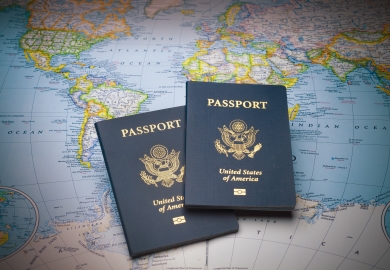
Many countries won’t let you enter unless your passport is valid for months beyond your arrival date, and some require a visa even for short visits. Check your destination’s entry requirements on the State Department’s country pages before you go. If your passport is lost, stolen, or expires while you’re abroad, your embassy or consulate can replace it.
Consulates will assist you in finding legal help
If you break a law while traveling (even unknowingly!), your consulate will not get you off the hook. But consular offices can give you a list of local attorneys, check on your treatment, and, with your permission, contact family or friends who can send money for legal costs.
Consul agents will assist with tax return and absentee voting logistics
Consulates won’t prepare your tax return for you. They should, however, help you with the technical parts of getting your tax returns and absentee ballots from the host country back to your home country.
 Babies born abroad may hold national citizenship
Each country has laws determining if a baby born to its citizens in another country becomes a national citizen. Consular offices can help US citizens document a child’s birth abroad with a Consular Report of Birth Abroad (CRBA), which serves as proof of US citizenship.
Consulates will notify citizens when they suggest an evacuation from a certain country
In an emergency, the embassy will share safety alerts and may advise US citizens to leave the country. Most people depart on commercial flights. In a serious crisis, the US government may help arrange transportation, but travelers are generally expected to repay the cost. Enrolling in STEP is the best way to make sure those alerts reach you.
 Embassies and consulates might host gatherings for holidays and events
For example, the Norwegian embassy in Washington, DC has hosted an annual Constitution Day event (read: lots of ice cream and hot dogs) on May 17, which thousands of Norwegian expatriates and travelers attend each year.
The American Citizen Services unit is your main point of contact
Most US embassies and consulates have an American Citizen Services (ACS) unit that handles passports, birth registrations, notarial services, and emergencies for US citizens. Following your embassy’s website and social media, along with enrolling in STEP, is the easiest way to stay current on local alerts and policy changes.
How do you contact the nearest US embassy or consulate?
Before moving overseas, find the US embassy or consulate nearest your new home. The State Department’s travel website lists contact information for every post, along with country-specific entry requirements, local laws, and safety information. It also publishes travel advisories, rated from Level 1 (exercise normal caution) to Level 4 (do not travel).