


While you’re planning a move, it may seem like everywhere you turn is more stuff that needs to be packed, which can feel overwhelming. To reduce the clutter without turning your life upside down, a 30-day declutter plan can help by breaking the work into small, daily steps. You won’t have to try to organize your whole home in one weekend. Instead, you’ll follow a daily declutter checklist so you can make progress in just 10 to 20 minutes a day.
If you’re planning a move in 2026, this gradual approach to decluttering is ideal. Your 30-day checklist will include tasks to clear out what you don’t need, simplify what you own, and make it easier for you to pack and stage your home for sale. When moving day comes around, you’ll have fewer boxes, less stress, and a home that already feels lighter and more organized.
What is a 30-day decluttering plan, and how does it work?
A 30-day decluttering plan is a structured schedule that assigns one small task on each day. Some days, your tasks will focus on a space, like a drawer or shelf. Other tasks will focus on a category, like shoes or paperwork. The idea is to build a realistic routine to declutter, even if you’re busy.
Ideally, you’ll want your daily tasks to take about 10 to 20 minutes, which should be enough time to clear a surface, sort through a drawer, or fill a small bag to donate. No special tools needed, just trash bags, donation boxes, and a simple “keep, donate, recycle, trash” system. You’ll find that these small actions will build daily decluttering habits and create a clutter-free lifestyle you can take with you to your new home.
Tip: Keep a donation box in a central location to quickly add items as you find them.
Build a realistic daily declutter checklist
A daily declutter checklist will add structure and create momentum to complete your 30-day decluttering plan. First, list 30 small, clear tasks that you can assign to each day of the month. It’s best to assign easier tasks on busy weekdays and larger ones on weekends. For example, plan to work on paperwork, mail, and digital clutter on weekdays and save things like closets and storage areas when you have more time on the weekends.
Keep your tasks simple and straightforward. Here are some sample task items:
- Sort top kitchen drawer
- Clear coffee table
- Review five shirts
Your checklist will serve as your step-by-step guide, giving you a starting point so you won’t waste time figuring out what you should do. Adjust your plan as you go, as necessary. If one area takes you longer than you expected, break it down into smaller tasks. You want your plan to work with your schedule while still helping you organize your home for your move.
Tip: Be realistic. If a task feels like it’s too big, split it in half to keep things moving and avoid feeling discouraged.
Room-by-room declutter guide for your 30-day plan
Stay focused with a room-by-room plan, which helps you declutter your entire home without feeling disorganized. Each week, assign tasks to a different area of your house to make steady progress.
Kitchen and dining areas
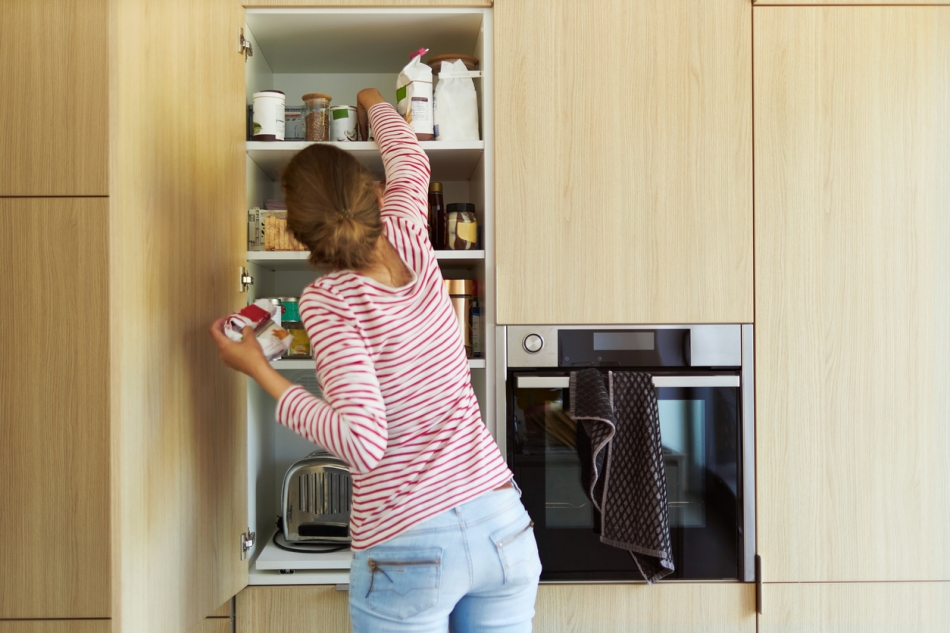 It’s a good idea to start with visible surfaces in your kitchen, then you can move on to drawers, cabinets, and your pantry. Get rid of duplicates, expired foods, and kitchen gadgets and tools you seldom use. As you move into your dining area, clear tables, shelves, and décor you won’t need before you move.
Tip: While you sort cabinets, pack rarely used items and label the boxes now so they’ll be ready to go for your move.
Living room and common spaces
Focus on high-use areas first while working in common spaces like living, family, and great rooms. Reduce visual clutter on coffee tables, media centers, bookshelves, and toy storage. The space will feel open and easier to maintain. Don’t forget to work on hidden clutter spots like baskets and drawers.
Tip: Keep only a few necessary items on each surface and pack everything you won’t need.
Bedrooms and closets
As you can expect, often closets and bedrooms are the most cluttered areas of your home. In your closet, sort your clothing critically by category and donate or discard anything that you no longer want to keep. Next, move on to nightstands, dressers, and under-bed storage to simplify your packing.
Tip: Set simple personal rules about what you want to keep or get rid of and try to follow them consistently.
Bathrooms and linen storage
Bathrooms and linen closets are great spaces to see quick wins. Dispose of expired products, duplicates, and linens that are worn or you no longer use. Group remining items into simple categories to make it easier to organize.
Tip: Small bins are great to keep similar items grouped together and stay organized even after you move.
Garage, attic, and storage spaces
Plan to spend more time in these storage areas and break them down into smaller sections to make it easier to complete your tasks. Go through your items in categories like holiday décor, sports equipment, and household items. Review each item and decide whether it’s worth taking with you.
Tip: Because these areas will take you longer, schedule them for days when you’ll have more time and energy.
Stay motivated and consistent throughout the 30 days
There will be days when you won’t feel like doing anything, even though you have planned for it. You can maintain consistency by pairing your decluttering tasks with your daily routines, like sorting mail when you get home or clearing one surface before going to bed.
It will also help to track your progress. Take before-and-after photos or mark off your checklist each day to boost your motivation, especially if you’re not seeing clear progress immediately. If you miss a day, don’t stress over it, and move on to the next task. The most important thing is to get back into the routine.
Tip: Celebrate your small wins, even one cleaned-out drawer or shelf deserves recognition to keep you motivated.
Prepare your home for an easier 2026 move
By the end of your 30-day declutter plan, your home will feel lighter, calmer, and much easier to pack. You’ll have a better sense of what truly belongs in your new home, fewer decisions to make, and less boxes to move, making every part of your 2026 move easier.
When you’re ready to move, professional support can make the process even smoother. An experienced moving partner will help you turn your newly decluttered home into an efficient, we’ll organized relocation so you can start your next chapter with confidence.