

When the world’s biggest events roll into town, the spotlight lands on stadiums and fan zones. Freight networks feel it differently. The 2026 World Cup tournament runs for more than a month across 16 North American host cities. Transit agencies across the US have received millions in federal funding to prepare. For supply chain and transportation teams in or around host markets, the difference between a well-timed plan and an expensive scramble often comes down to how early you start thinking about it.
How do large events impact supply chains and transportation networks?
Large events concentrate enormous demand into a very short timeframe. Roads close, security zones expand, and visitor traffic floods the same corridors that freight depends on. During a normal year, congestion is already expensive – the American Transportation Research Institute found that traffic congestion added $108.8 billion in costs to the trucking industry in 2022 alone. Add a marquee event on top of existing freight pressure, and delivery windows tighten fast.
During a major event, the strain usually shows up in a few predictable ways across commercial logistics operations:
- Road closures and rerouted traffic around stadiums and downtown districts
- Surging demand for warehousing, last-mile delivery, and transportation capacity
- Slower freight movement through ports and airports facing tighter security
Tip: Map your delivery routes against the event schedule before the first match day, not after delays start piling up.
What transportation challenges do businesses face during major events?
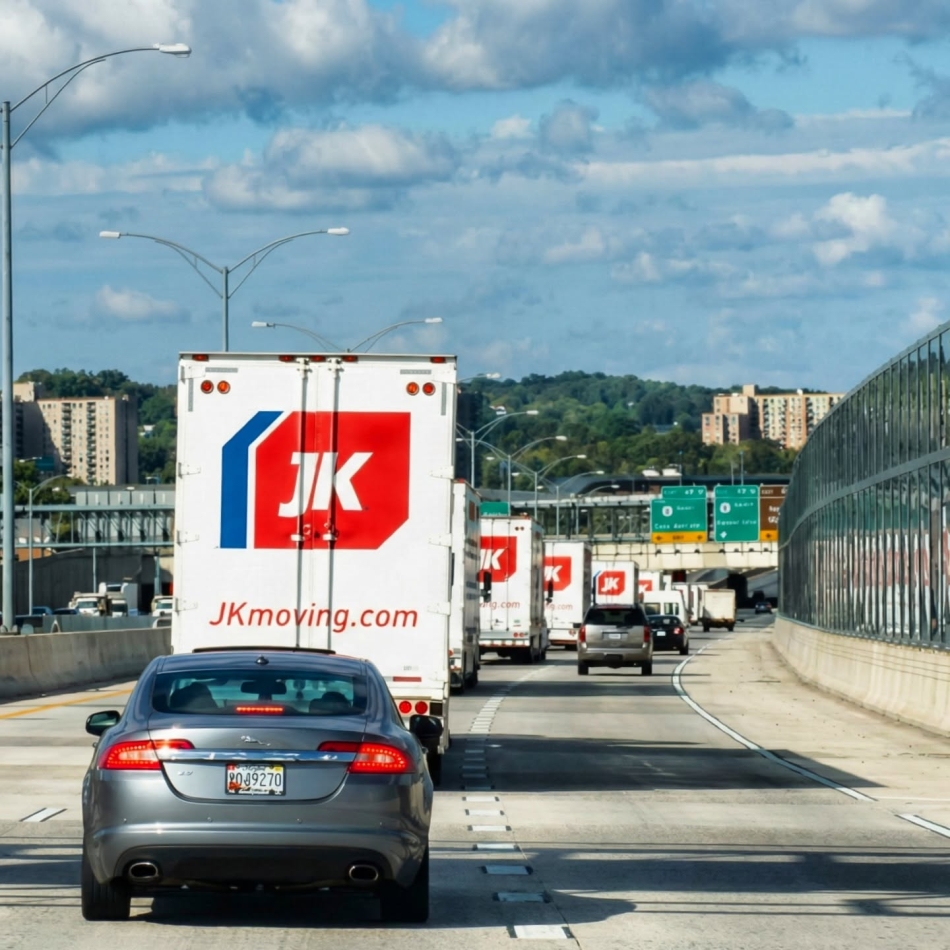 The hardest part of a delivery isn’t the distance – it’s the final stretch. A truck can cover most of its route smoothly, then lose hours in the last few miles near a venue. Geotab data ranking all 16 World Cup host cities shows how sharply congestion and freight risk shift from one stadium to the next. Dense markets like New York and Los Angeles face the steepest pressure, while more spread-out cities battle highway bottlenecks and parking overflow.
The complications compound quickly from there. Security screening slows access, restricted zones force longer reroutes, and trucks and warehouse space get harder to secure as event dates approach. For operations running on just-in-time schedules, these aren’t minor inconveniences, they’re margin risk.
Tip: Build extra buffer time into every shipment moving through a host city on or near a match day.
How can companies prepare their supply chains for large-scale events?
The companies that come out ahead during a major disruption aren’t the ones with the fastest reaction time. They’re the ones that didn’t need to react. Strong resilience starts months out, with regional warehousing positioned closer to high-demand markets and backup routes mapped well in advance.
A few practical steps go a long way:
- Plan several backup routes, since closures can shift hour by hour
- Shift deliveries to off-peak windows like early morning or late night
- Use real-time tracking and traffic alerts to react as conditions change
- Line up alternative carriers and storage capacity before demand spikes
- Position inventory regionally to shorten last-mile delivery cycles
Tip: Lock in backup carriers and storage space early, because capacity disappears fast once an event window opens.
What role does transportation planning play in event logistics management?
Effective event logistics doesn’t come down to any single decision. It comes down to how well warehousing, routing, scheduling, and real-time visibility work together in one coordinated system. With GPS tracking and flexible scheduling behind them, teams can reroute on the fly and keep time-sensitive freight moving when roads don’t cooperate.
Complex, high-volume moves need even more coordination. Equipment, materials, and finished goods have to arrive on schedule despite the chaos outside. Working with a professional logistics partner with transportation services and industrial logistics expertise built for exactly that kind of pressure keeps those supply chains steady from start to finish.
Tip: Treat your logistics provider as a planning partner, not just a carrier, well before the event arrives.
Plan early, stay ahead
Large-scale events are predictable disruptions. The freight pressure, the route closures, the capacity crunch – none of it is a surprise when you know it’s coming. What separates operations that weather it well from those that don’t is almost always the same thing: how early the planning started. The companies that treat event logistics as a strategic exercise rather than a reactive one come out the other side with their timelines and margins intact.