

Relocating heavy industrial machinery is complex and involves more than simply transporting equipment from one location to another. If you need to move factory equipment, oversized components at a construction site, or specialized manufacturing tools, you must not only have a well-thought-out plan, but also the right equipment for the task, and a deep understanding of safety and logistics.
What makes machinery moving different
There are significant differences between ordinary freight or small-business relocation and the movement of industrial machinery. The equipment’s size, weight, and precision must be considered to ensure safe transport. All of these factors will impact which tools and techniques are required to complete the relocation.
Key components of a machinery move
Machinery moves are typically done in phases. These include :
 Project planning and assessment: Understanding the scope of the move, including measurements, weights, and any structural challenges at the origin or destination.
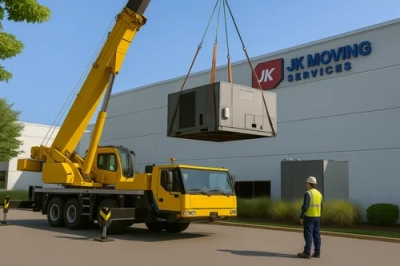
- Rigging and disassembly: Heavy machinery often needs to be safely disassembled or rigged with specialized lifting equipment such as cranes, forklifts, or rigging gear before it can be moved.
- Transport logistics: This involves determining which type of vehicle is best suited for the relocation and arranging any necessary permits for oversized or overweight loads. Will the equipment require a lowboy trailer, flatbed, or heavy-haul truck?
- Reassembly and installation: This phase occurs after the equipment is delivered; if any components need to be reassembled, positioned, leveled, and tested to ensure they’re ready for use.
Each phase requires your moving and logistics partner to manage the relocation with meticulous attention to detail using a coordination plan that reduces risk and minimizes downtime.
Safety and risk management
Safety is of the utmost importance in machinery moving. As you might expect, moving heavy equipment can be hazardous to people and property if not handled properly. Machinery moving professionals must be trained in safety protocols designed to reduce the risk of injury and damage during rigging, loading, transport, and installation. Planning detailed routes, securing equipment correctly, and following industry safety standards are all required to manage the risks involved in relocating industrial equipment.
Minimizing downtime and operational impact
For most businesses, downtime equals lost productivity and revenue. A primary goal of a machinery-moving operation is to minimize disruption to normal operations. Your moving and logistics partner can achieve this through meticulous scheduling, experienced coordination, and efficient execution. With a clear understanding of production timelines and operational priorities, your machinery move can be completed with minimal disruption.
Why expertise matters
Because of the specialized nature of machinery moving, it’s important to partner with professionals experienced in heavy equipment transport. An expert, qualified team brings the right combination of planning skills, lifting technology, vehicle capabilities, and safety know-how to handle even the most challenging scenarios.