


Panama has become a sought-after relocation destination in the Western Hemisphere, and it is not hard to understand why. A dollarized economy, modern infrastructure, a simple path to residency, a warm climate, and a cost of living dramatically lower than in the United States have made this Central American country a magnet for American retirees, remote workers, and families ready for a change. According to Panama’s immigration authority, more than 3,300 new American residents are expected to settle in the country in 2025. Whether you are dreaming of mountain mornings in Boquete or a city high-rise with a view of the Panama Canal, this guide covers what you need to know before making the move.
Why Americans are choosing Panama
Panama ranks among the top retirement destinations for US citizens, offering a cost of living significantly lower than in the United States, a strong safety record for Central America, and a territorial tax system that exempts residents from taxes on income earned outside the country. Tocumen International Airport connects Panama City to more than 90 cities across six continents – Miami is just two and a half hours away – and the US dollar has been Panama’s official currency since 1904, eliminating currency conversion headaches entirely.
Residency visa options for US citizens
Pensionado Visa
The Panama Pensionado Visa requires a verifiable lifetime pension or retirement income of at least $1,000 per month. In exchange, it grants permanent residence from day one – no company formation or local employment required. Qualifying residents receive government-mandated discounts on:
- Medical services and prescriptions
- Domestic and international airfare
- Hotels, entertainment, and restaurants
Tip: The Pensionado Visa is widely regarded as one of the best retirement programs in the world. Benefits are locked in for life once you qualify, regardless of future policy changes.
Friendly Nations Visa
Citizens of the US, Canada, and most of Europe qualify for Panama’s Friendly Nations Visa, which offers a fast-track route to residency through either employment or investment. The investment pathway requires:
- A real estate purchase or fixed-term bank deposit of at least $200,000
- Proof of financial solvency
- A clean police record
This visa currently provides two years of temporary residence with the option to apply for permanent residency afterward.
Digital Nomad Visa
The Digital Nomad Visa offers temporary residency for up to 18 months for remote workers who earn at least $3,000 per month and carry proof of health insurance. It is ideal for those who want to test Panama before committing to permanent residency.
Tip: All visa applications must be submitted in Panama. Working with a licensed Panamanian immigration attorney is strongly recommended. Legal fees typically run $1,000 to $5,000, and processing times range from 6 to 18 months, depending on visa type.
Best places to live in Panama for expats
Panama City
Panama City is the country’s economic and cultural center, with a dense expat community and the country’s best access to private hospitals, international schools, and direct flights. In non-luxury central neighborhoods like San Francisco and El Cangrejo, a one- to two-bedroom apartment typically runs $900 to $1,700 per month. In high-end waterfront districts like Punta Pacífica and Costa del Este, comparable units range from $1,500 to $3,000 or more.
Boquete
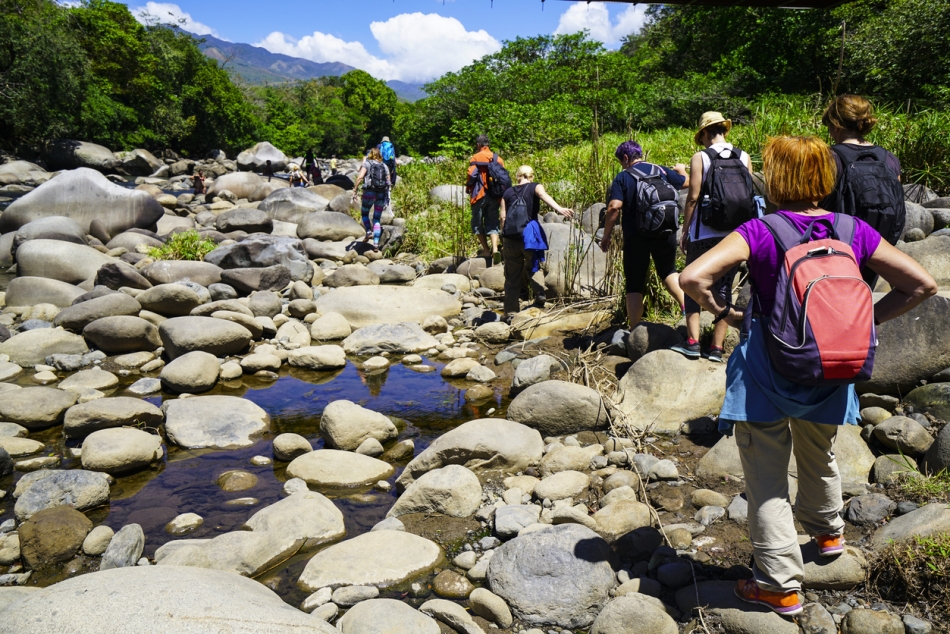 Nestled in the highlands of Chiriquí province, Boquete has earned a global reputation as one of the top retirement destinations in the Americas. The town enjoys spring-like weather year-round, and its surrounding landscape of coffee plantations, cloud forests, and mountain trails makes it particularly attractive to active retirees and nature lovers. Expats can find two-bedroom homes with yards starting at around $800 per month, with more luxurious options in gated communities running $1,500 to $2,500 per month.
Tip: Boquete’s cooler climate means you will rarely need air conditioning, which can reduce your monthly electricity bill to as low as $25 – a significant savings compared to coastal living.
Coronado
Located on Panama’s Pacific Coast just over an hour from Panama City, Coronado is a resort-style beach town with a well-established English-speaking expat community, golf courses, major supermarkets, and high-end medical clinics. A two-bedroom apartment or house typically runs $1,100 to $1,800 per month – beach living without sacrificing access to Panama City’s services.
Cost of living in Panama vs. the United States
The cost of living in Panama is approximately 36% lower than in the United States, with housing costs running about 50% lower. A single person can live comfortably on $2,000 to $2,500 per month; most couples budget $2,500 to $3,500 per month. Private doctor visits typically cost $30 to $60, many physicians speak English, and private health insurance plans start around $80 per month. Private facilities in Panama City are widely considered on par with major US hospitals.
Tip: Shopping at local markets and cooking at home for the first several months can keep grocery costs to $200 to $350 per month for a single person and dramatically lower your overall monthly budget while you get settled.
Shipping household goods to Panama
Container shipping costs from the US to Panama vary depending on container size, with 20-foot containers generally running less than their 40-foot counterparts, and a transit time of three to four weeks. Panama residency visa holders can import household goods tax-free up to a certain threshold; goods above that amount are subject to customs duty on the resale value.
A few important notes before you ship:
- Used personal effects clear customs more easily than new items
- All shipments require a detailed inventory and documentation tied to your visa or residency status
- Many rentals in Panama come fully furnished, which may make it more cost-effective to ship only personal essentials and purchase household goods locally
Working with an experienced international moving company that has a track record in Panama is strongly advisable.
Tip: Hire a licensed Panamanian customs broker before your shipment departs. Customs clearance in Panama can involve physical inspections, and having professional representation significantly reduces the risk of delays or unexpected fees at the port.
What to know before you go
Panama’s legal framework is built to welcome foreign residents, the US dollar removes financial friction, and Miami is less than three hours away. But immigration processing takes time, and residency paperwork demands careful documentation. Before committing to a location, take a scouting trip – a few weeks on the ground is one of the best investments you can make in a successful relocation.
When you are ready to make the move, look for an international relocation team that can manage everything from custom crating and container shipping to customs clearance and in-country delivery.