


Packing and transportation get most of the attention during a move. But knowing how to transfer utilities, school records, mail, and other everyday services is just as important.
A little advance planning can help you arrive at your new home with the lights on, the internet working, and fewer administrative errands waiting for you. Add the steps below to your moving checklist so they don’t get buried beneath packing and moving-day logistics.
When should I contact utility companies before moving?
Start contacting utility providers about two to three weeks before your move date. You may have to schedule an appointment to install internet service and need advance notice to open a new account for electricity, gas, or water.
Make a utility transfer checklist that includes:
- Electricity
- Natural gas, if applicable
- Water and sewer
- Trash and recycling
- Internet, fiber, and cable
- Home security or monitoring services
If your new address is still in your provider’s coverage area, you can most likely transfer the account over. Otherwise, you’ll need to close out the old one and set up new service for your new home.
Schedule utilities at the new home to begin by the day before you arrive, when possible. At your old home, keep essential services running through moving day rather than shutting everything off early.
Tip: Take photos of your final electricity, gas, and water meter readings before leaving. Keep them until you’ve reviewed your final bills.
How can I avoid utility interruptions during a move?
Don’t assume that a seller, landlord, or previous resident’s service will stay active. Confirm every activation date directly with the appropriate utility company.
Because an installation appointment may be required for your new internet service, it deserves particular attention. If you work remotely, rely on connected security equipment, or have extensive smart home technology, schedule your connection early.
Tip: Keep account numbers, confirmation emails, activation dates, and provider phone numbers together in one digital folder so they’re easy to find during moving week.
How do I enroll my child in a new school after moving?
Start with the new school district rather than waiting until you arrive. The National Center for Education Statistics provides tools for finding public schools and districts throughout the country.
Enrollment requirements vary, but families should be prepared to provide documents such as proof of residency, identification, immunization or health information, and previous academic records. Ask the new school which documents it requires and whether it will request records directly from your child’s former school.
FERPA (Family Educational Rights and Privacy Act) lets you request that your child’s education records be sent to their new school. If your child has an IEP, reach out to the new disitrict’s special education office as soon as you know you’re moving – IDEA (Individuals with Disabilities Education Act) requires school districts to maintain services for students with disabilities during a transfer, but the timeline and process for setting that up varies district to district.
Tip: Carry copies of report cards, transcripts, IEP documents, health records, and important school contacts with you rather than packing them on the moving truck.
How do I change my address after moving?
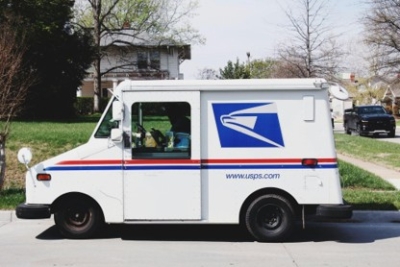 A USPS address change should be near the top of your list. The US Postal Service recommends planning ahead and notes that mail forwarding can take time to begin. A USPS change of address forwards eligible mail, but it does not automatically update your address with every company or government agency.
After submitting your mail-forwarding request, update your address directly with:
- Banks and credit card companies
- Homeowners or renters insurance
- Auto insurance
- Healthcare providers and pharmacies
- Employers
- Subscription services
- Memberships and recurring deliveries
Tip: Review a month or two of bank and credit card statements. Recurring charges are an easy way to spot accounts and subscriptions you’ve forgotten to update.
What government records should I update after moving?
Depending on where you move, driver’s license, vehicle registration, and voter registration rules vary, particularly if you’re moving to a new state. Visit USA.gov’s change-of-address guide to access links for updating federal and state records, including driver’s licenses, vehicle registrations, voter registrations, taxes, and benefits.
Don’t assume your old license and registration can remain unchanged indefinitely. Look into your new state’s DMV requirements soon after you arrive.
Tip: If you’re moving to another state, add DMV and voter registration requirements to your first-week checklist so state-specific deadlines don’t sneak up on you.
You first-month post-move checklist
After you take care of the urgent tasks, spend the first few weeks updating the services that make day-to-day life run smoothly. Transfer prescriptions and medical records, confirm insurance coverage for the new address, update emergency contacts, find nearby healthcare providers, and change billing or shipping addresses on frequently used online accounts. Our new home setup guide is a great resource for identifying additional tasks.
Settle in without overlooking the details
A successful move doesn’t end when the last box comes through the door. Utilities need to be transferred, your address updated, kids enrolled in their new school, services reconnected – the parts that turn a house into a home rarely fit on the moving truck’s inventory list.
Work with an experienced professional moving company to manage the physical logistics of your relocation (from packing and transportation to delivery and unpacking) and give you more time to focus on everything that comes next.