


Major international events like the FIFA World Cup, the Olympic Games, global trade shows, and industry conventions don’t come together overnight. Long before attendees arrive, businesses are coordinating shipments, storing inventory, and preparing equipment for delivery to one or more venues.
For sponsors, exhibitors, retailers, and other organizations participating in these events, warehousing for international events is critical. The right storage and logistics strategy helps keep inventory organized, deliveries on schedule, and operations running smoothly from setup through teardown.
Why major international events need temporary warehousing
Large events often create a temporary surge in inventory. Marketing materials, merchandise, display fixtures, technology, furniture, and event equipment may all arrive weeks before they’re needed. Without a central place to receive and organize shipments and materials, they can become difficult to track and coordinate.
Temporary warehouse space provides a secure staging location to consolidate, organize, and prepare shipments for delivery. And when schedules change, or materials arrive earlier than expected, temporary warehousing provides flexibility.
Tip: Reserve warehouse space as early as possible. Storage capacity near major event venues can become limited as large events approach.
What can be stored in an event warehouse?
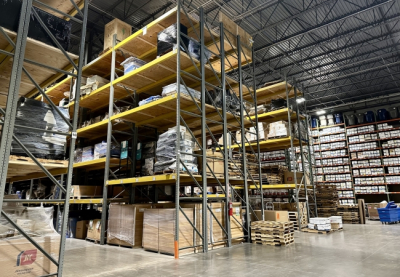 Every event has different logistics requirements, but temporary warehouses commonly store:
- Trade show displays and exhibit materials
- Promotional products and branded merchandise
- Event furniture and fixtures
- Technology equipment
- Marketing collateral
- Replacement inventory and backup supplies
For example, if your company is exhibiting at an international convention, you may receive shipments from several vendors. Rather than coordinating deliveries directly to the venue, those materials can be received, organized, and held at a warehouse until the scheduled installation date, then routed through fulfillment and distribution services to each activation point.
Tip: To speed up distribution once the event begins, label shipments by booth, venue, or activation location before they arrive at the warehouse.
How warehousing helps keep deliveries on schedule
Storage is only one piece of the logistics process. Warehousing becomes even more valuable when it’s coordinated with transportation and distribution services.
A well-planned logistics strategy can help businesses:
- Consolidate shipments from multiple suppliers
- Track inventory throughout the project
- Schedule deliveries to match venue requirements
- Support cross-docking for time-sensitive freight
- Manage returns and reverse logistics after the event
This approach reduces unnecessary handling and helps ensure the right materials arrive at the right location when they’re needed.
Tip: Build extra time into your schedule for international shipments. Customs processing, weather, and transportation delays can affect delivery timelines.
What to look for in an event warehousing provider
Not every warehouse is equipped to support the demands of a major international event. Businesses should look for a logistics partner that offers more than storage alone.
Consider providers that can deliver:
- Secure short-term warehouse space
- Inventory tracking and reporting
- Transportation coordination
- Last-mile delivery services
- Flexible storage capacity as project needs change
- Experienced project management for complex logistics
Working with one provider for warehousing and transportation can simplify communication while reducing the number of handoffs throughout the project.
A strong logistics plan starts before the event even begins
International events that run smoothly are rarely the ones that got lucky – they depend on careful planning long before opening day. Temporary warehousing gives businesses the flexibility to receive shipments early, organize inventory, and coordinate deliveries without overwhelming the event venue.