


–––A laboratory relocation can go off track long before the first truck arrives. Sensitive instruments, hazardous materials, samples, specialized vendors, and tight research schedules leave little room for improvisation. The same fundamentals behind a successful lab move become obvious when you see what happens when you skip them.
Here are five lab move mistakes that commonly lead to delays, damaged equipment, or compliance issues – problems that are far easier to prevent than to fix after the fact.
1. Hiring a mover without lab experience
Moving a lab isn’t the same as moving an office, so you can’t approach it the same way. Scientific instruments may be vibration-sensitive, temperature-sensitive, unusually heavy, or dependent on manufacturer-approved disassembly and reinstallation procedures. Samples and chemicals can also introduce chain-of-custody and compliance requirements.
Choosing a mover without specialized lab experience is one of the costliest mistakes you can make. A small handling error with the wrong piece of equipment can turn into a very expensive one. Look for a lab relocation partner with proven lab experience, custom crating capabilities, and a clear plan for regulated materials.
Tip: Don’t just ask if the company has done lab moves before. Find out who actually will be handling your equipment and what training they receive.
2. Starting too late, or without a complete inventory
Poor lab moving planning almost always starts the same way: an inventory that’s incomplete. A reliable equipment inventory should identify each asset, its origin and destination, handling requirements, disconnect/reconnect responsibilities, and any temperature, decontamination, or calibration needs.
Without that information, surprises show up at the worst possible time, like discovering a doorway is too narrow for a piece of equipment or that a service technician is unavailable on move day. A detailed lab relocation timeline helps identify those dependencies while there is still time to address them.
Tip: Start working on your inventory as soon as you know you’re moving your lab, and make sure everyone involved has access to it, not their own copy of it.
3. Treating packing and labeling like an ordinary move
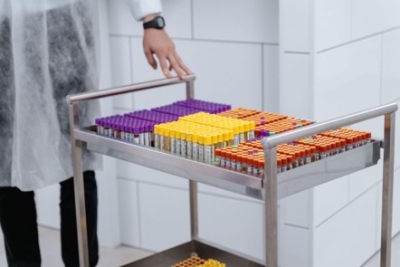 Generic packing methods won’t work for your sensitive laboratory equipment. Your instruments may need custom crating, anti-static protection, shock or vibration mitigation, or controlled temperatures. Samples and hazardous materials need appropriate segregation and documentation.
OSHA’s laboratory standard also covers chemical hygiene, labeling, safety data sheets, and decontamination procedures. Account for those controls before moving day – don’t improvise them during it.
Clear labels and asset tracking are equally important. If no one can verify where an instrument, sample, or component is at each stage, delays multiply quickly.
4. Sequencing the move around trucks instead of operations
A move schedule can look efficient on paper and still cause unnecessary lab downtime. The real question is what has to keep running, and what has to be ready first at the other end. The instruments that depend on each other, the freezer that can’t sit without power for more than a few hours, the utility connection that has to be live before anything else can be installed – these are what actually determine the order of a move, not which truck leaves first. Phased moves can let part of the lab stay productive while the rest transitions.
Tip: Plan the restart sequence before finalizing the move sequence.
5. Assuming a lab move ends at delivery
Getting equipment into the new lab is only part of the job. Reassembly, inspection, calibration, validation, and functional testing may all be required before an instrument is ready for use. NIST explains how calibration supports accurate measurement by establishing a relationship between measuring equipment and measurement standards.
Schedule post-move service vendors in advance and define who is responsible for sign-off. Otherwise, equipment can arrive on time and still sit unusable for days.
Avoiding laboratory relocation mistakes comes down to early planning, disciplined coordination, and specialized handling from start to finish. Look for a professional moving partner with biotech and lab moving services who can help manage the process from inventory and packing through transportation, placement, and setup so your team can return to work with less disruption.