


Old Town Alexandria offers something unusual in the Washington, DC metropolitan area: a walkable waterfront neighborhood filled with historic homes, local restaurants, independent shops, and several ways to commute without relying entirely on a car.
If you’re moving near DC, this neighborhood gives you a quieter residential setting close to DC’s job centers – but Old Town’s cobblestone streets, tight parking, and century-old homes mean moving day takes more planning than a typical suburban move.
Here is what to know before moving to Old Town Alexandria.
What is living in Old Town Alexandria like?
The Old Town Alexandria lifestyle centers around King Street, the Potomac River waterfront, and the surrounding blocks of historic homes. Residents can walk to restaurants, coffee shops, boutiques, parks, museums, and community events. The King Street corridor alone includes more than 200 independent shops and restaurants, while the waterfront provides trails, parks, public art, and river access.
Old Town tends to draw people who want to walk to dinner instead of drive – young professionals, commuters, retirees. Whether it works for a family is really a question of space: do you need a yard, dedicated parking, a specific school district? Old Town can deliver all three, but usually not in the same budget.
Tip: Visit at several different times before signing a lease or buying. A quiet weekday morning and a crowded Saturday evening can provide very different impressions of the same block.
Understand Old Town housing and living costs
Old Town Alexandria homes include historic rowhouses, large townhomes, condominiums, converted properties, luxury waterfront residences, and apartments ranging from older walk-ups to modern communities.
Housing is what really drives the cost of living in Old Town. The median home sale price ran about $1.1 million for the three months ending May 2026, but that number swings hard depending on the property – a small condo a few blocks off King Street costs nothing like a waterfront home with parking. Renters see the same effect: get close to the Metro or the water, and the rent goes up with it.
Historic homes have a lot of character, but they may also have narrow staircases, compact rooms, limited closets, aging systems, or no off-street parking. Measure large furniture before moving and review inspection reports carefully.
If you’re looking for a home in Alexandria’s locally regulated historic districts, you may need to get approval for exterior alterations visible from a public right-of-way. Prospective homeowners should review the city’s historic preservation requirements before planning exterior renovations.
Tip: Ask whether the property includes a parking space, residential permit eligibility, storage, and any HOA or condominium move-in fees before comparing total monthly costs.
Compare Old Town with nearby Alexandria neighborhoods
The best neighborhoods near Old Town Alexandria depend on the type of home, atmosphere, and commute you prefer.
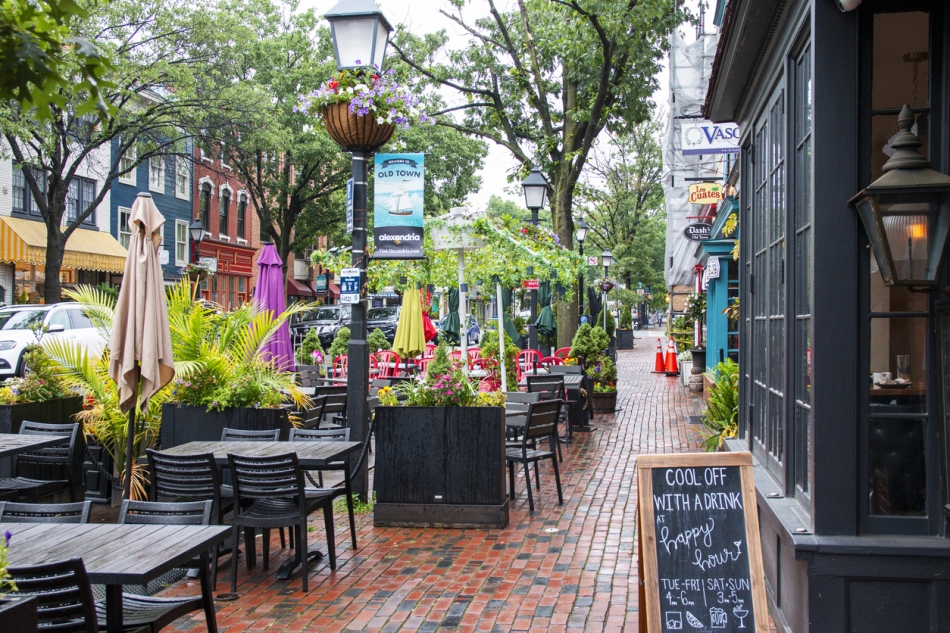 Old Town core: Best for historic architecture, restaurants, shopping, and waterfront access. Housing can be expensive, and parking may be limited.
Old Town North: Offers waterfront access and a combination of historic properties, condos, and newer apartment developments.
Del Ray: Known for a neighborhood-oriented atmosphere, colorful businesses, community events, and detached homes. It generally feels more residential than central Old Town.
Rosemont: A quieter area near Old Town and the King Street Metro, with tree-lined streets and more detached homes.
Carlyle and Eisenhower East: An area of newer apartments and condominiums near employment centers, Metro access, and the Alexandria rail station.
Potomac Yard: Provides newer mixed-use development, parks, apartments, townhomes, and its own Metro station north of Old Town.
Exploring Alexandria’s neighborhoods and local attractions can help newcomers compare each area before choosing a home.
Plan your Old Town Alexandria commute
Old Town provides several public transportation options for people moving to Alexandria for work.
The King St-Old Town Metro station serves the Blue and Yellow lines. Braddock Road and Potomac Yard provide additional Blue and Yellow Line access north of the neighborhood. Alexandria Union Station, located beside the King Street Metro area, serves both Virginia Railway Express and Amtrak trains.
DASH buses operate throughout Alexandria without passenger fares, and the free King Street Trolley connects the Metro area with central Old Town and the waterfront.
Drivers can use Route 1, the George Washington Memorial Parkway, and the Capital Beltway, but congestion varies considerably. Test your actual commute during the hours you expect to travel rather than relying only on a mileage estimate.
Research schools by address
Old Town is served by Alexandria City Public Schools, but which school is based on the property’s exact address. Before making a housing decision, use the district’s school site locator, especially because new attendance boundaries take effect for the 2026–27 school year.
There are also a number of private and specialized schools throughout Alexandria and Northern Virginia. If you’re interested in any of these options, school transportation, before- and after-school care, walking routes, and commute logistics should be considered alongside academic programs.
Prepare for Old Town moving-day logistics
Moving into a historic, densely developed neighborhood requires more coordination than pulling into a suburban driveway.
Confirm whether the moving truck will need temporary reserved street parking. Alexandria requires applications for reserved parking to be submitted by noon at least three full business days before the spaces are needed. Review the city’s temporary reserved parking process early, particularly for a spring or summer move.
Apartment and condominium residents should also ask management about:
- Elevator reservations and approved moving hours
- Loading-dock or service-entrance access
- Certificates of insurance
- Move-in deposits or fees
- Hallway and elevator protection requirements
If your new home is smaller than your current one, compare furniture measurements before packing. JK Moving’s apartment and condo moving services can help coordinate packing, loading, transportation, and building access for smaller urban properties.
Alexandria does not operate its own public utilities. Rather, you can consult a city utility provider directory that lists water, electricity, natural gas, internet, wastewater, and related services.
Tip: Photograph hallways, doorframes, stairways, and elevators before the move begins. This documents existing conditions and helps identify the safest route for large furniture.
Enjoy the Old Town Alexandria lifestyle
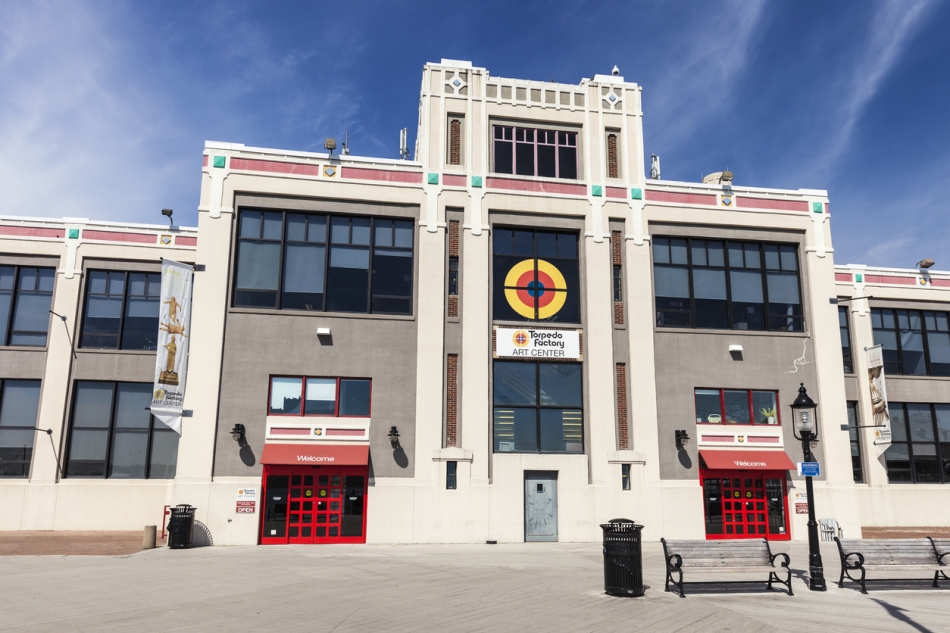 After moving day, residents can explore the Torpedo Factory Art Center, Old Town Farmers’ Market, waterfront restaurants, historic sites, and the Mount Vernon Trail. Alexandria contains 5.6 miles of the 18-mile Mount Vernon Trail, which follows the Potomac River and connects with several other regional trails.
The main advantages of living in Old Town are walkability, historic character, dining, transportation, and proximity to Washington, DC. The primary tradeoffs are housing costs, tourist traffic, parking limitations, and the maintenance demands that may accompany an older home.
Make your move to Old Town easier
A successful move to Old Town Alexandria starts with understanding the property and its surroundings. You will need to confirm truck access, parking requirements, building rules, room dimensions, school assignments, and utility providers before moving week.
Work with experienced Alexandria, VA movers to help you coordinate local and long-distance transportation, full-service packing, storage, and specialized handling. With the logistics managed by an experienced team, you can spend less time navigating moving-day complications and more time settling into your new Alexandria neighborhood.