


Buying your first home is one of the most exciting milestones you’ll ever reach. It’s also one of the most expensive ones, and the sticker price is just the beginning. If you’re preparing to make the leap into homeownership, here’s what you need to know before you sign anything, pack a single box, or hand over a key.
Costs that catch first-time homebuyers off guard
Everyone obsesses over the mortgage payment – and fair enough, it’s usually the biggest number on the page. But it’s far from the only one that matters. According to a Bankrate 2025 study, the costs of homeownership beyond the monthly mortgage average $21,400 per year nationwide, once you factor in property taxes, homeowners’ insurance, maintenance, and utilities. That’s nearly $1,800 a month that never shows up in the listing price.
Before you even get the keys, there’s another bill waiting. Closing costs typically run between 2% and 5% of the purchase price, covering things like loan origination fees, title insurance, and prepaid homeowners insurance premiums. On a $350,000 home, that’s anywhere from $7,000 to $17,500 due at closing, on top of whatever you’ve put toward the down payment. It’s one of the more jarring moments in the homebuying process, and one that catches a lot of first-time buyers off guard.
Once you’re in, ongoing maintenance takes over. Most financial experts recommend setting aside about 1% of your home’s value each year for maintenance and repairs, which on a $350,000 home works out to $3,500 annually, just for upkeep. Older homes or those in rougher condition can push that number higher. And it’s not theoretical: 83% of homeowners dealt with at least one unexpected maintenance issue in 2024 alone. Water heaters fail. HVAC systems quit. Roofs eventually need replacing. None of these are maybes; they’re just a matter of when.
Tip: Before closing, ask your real estate agent to pull recent property tax history for the home so your first bill doesn’t catch you off guard.
If the home sits in a planned community, HOA fees are another recurring cost to budget for. They can increase over time, so reviewing recent HOA meeting minutes before you make an offer is time well spent.
What the home inspection won’t always catch
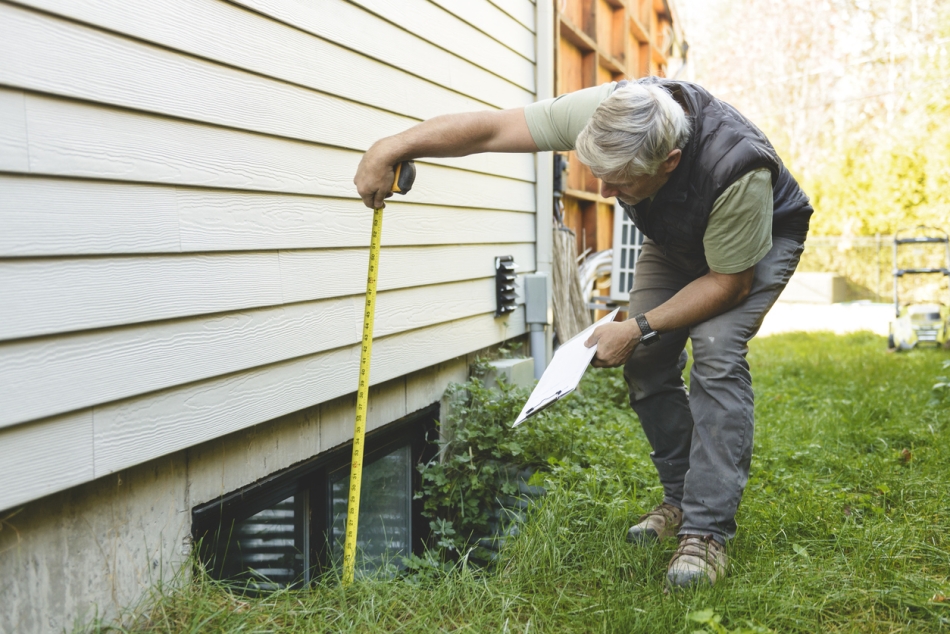 A home inspection is non-negotiable. A thorough inspection typically costs between $300 and $500 and covers structural integrity, roof condition, electrical systems, HVAC performance, and signs of water damage or pests. But inspections aren’t all-seeing.
Seller disclosure laws vary by state, and some issues, like cosmetic updates masking more serious damage, may not surface until after you’ve moved in. Experts recommend approaching the first year of homeownership with flexibility and a budget cushion built in from the start.
Tip: Attend your home inspection in person so you can ask the inspector questions directly and see any concerns firsthand.
Your move-in day checklist starts before the boxes arrive
There are practical steps every first-time homeowner should take before settling in, and most people skip at least a few.
Change the locks immediately. When you get the keys, there’s no way to know how many copies exist or who has them, so replacing all exterior door locks is a smart first move. That includes any doors leading to an attached garage. Reset codes on smart doorbells and garage openers while you’re at it.
Set up utilities before moving day. Contact providers for electricity, gas, water, and internet well in advance. A delay with internet setup can disrupt a work-from-home schedule at the worst possible time, and the same goes for any service that takes days to activate.
Test smoke detectors and carbon monoxide alarms on day one. Replace the batteries, confirm they’re working, and locate your main water shutoff valve and electrical panel before you need them in an emergency. This is a step most first-time homebuyers skip until something goes wrong.
Tip: Schedule a professional deep clean before you move furniture to start fresh.
Why your emergency fund deserves its own line item
Homeowners who thrive financially in year one share one common habit: they planned for surprises. A water heater replacement can run $1,000 to $3,000, while a roof replacement can reach $8,000 to $20,000, depending on size and materials. Having three to six months’ worth of living expenses set aside, including a line item for home repairs, helps you avoid making reactive financial decisions when something breaks.
If you’re worried about stretching your budget too thin, it’s worth exploring first-time homebuyer assistance programs through your state housing finance agency. Many offer down payment assistance and favorable loan terms for qualified buyers, freeing up cash to build that essential reserve before you close.
Ready to make your move as a first-time homebuyer? An experienced professional mover can make moving day the easiest part of the whole journey.