


In theory, moving locally sounds like a breeze. Your new condo is ten minutes away. Easy peasy, right?
Well, keep in mind that many challenges associated with moving apply regardless of the distance. For example, you still need to get the sofa down the townhouse stairs, return the old keys by noon, and be at the condo for a 2 p.m. elevator slot.
So let’s talk about some reasons to consider hiring local movers.
1. A schedule that fits both homes
Your mover can work backward from the noon handover to decide when loading should start. They need to know about that 2 p.m. elevator slot, too. If the truck has to wait between addresses, the estimate should say how that time is charged.
Tip: If your closing might slip, discuss where the shipment could stay before you book the crew.
2. Less guesswork about parking
An experienced local crew can spot a tight turn or a loading space too far from the door before moving day. In DC, reserved truck parking goes through DDOT’s permit system. You’ll need to settle who arranges it.
That local knowledge can come from an independent mover or the local branch of a national company.
3. Help with the furniture you can’t carry
A dresser at the bottom of a narrow basement staircase may need equipment you don’t own. Show it during the estimate, even if everything else is already boxed.
Make sure your mover trains its crews on protecting floors and doorways. Hiring a crew also saves you from sourcing dollies and furniture pads for the job.
4. You can share the packing
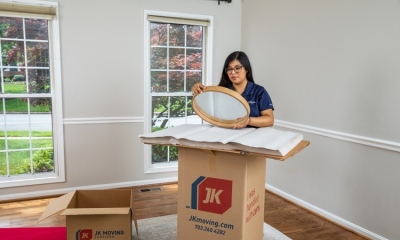 Books and clothes might be manageable on your own. For the glassware you’ve been putting off, there’s packing help for fragile items. Packing should appear in the estimate; otherwise, the crew may arrive expecting sealed boxes. Keep anything going in your car in a separate, marked spot.
5. Less furniture to shift after unloading
Walk through the rooms with the crew before they unload. The dresser can go straight to the right bedroom while there are people and equipment to move it.
If you want the bed reassembled or kitchen boxes unpacked, include that work in the estimate.
6. Time to close up the old place
With the loading covered, you can check the cupboards and walk through the house with the landlord or buyer. Stay available for the crew’s questions, and agree who will meet the truck at the new home.
Local movers vs. DIY moving
| Consideration | DIY moving | Hiring local movers |
| Costs | Truck, supplies, fuel | Quote for the agreed work |
| Time | Fit the job around your helpers | Book a crew for the move |
| Equipment | Find or rent what you need | Crew brings moving equipment |
| Physical effort | You and your helpers lift | Movers handle the lifting |
| Convenience | You arrange each part | Mover coordinates the job |
| Damage risk | Depends on your handling | Trained handling; lower risk |
Is hiring local movers worth it?
For a few carloads and a free weekend, DIY may suit you. Emptying a furnished house by Friday morning asks more of your helpers. Our DIY moving cost comparison covers the expenses on each side.
Many local moves are priced by the hour. The hourly rate alone won’t tell you what unloading up three flights of stairs will cost. Crew size affects the quote, too. An elevator delay matters if waiting is billable: at a hypothetical $200 hourly crew rate, one hour adds $200 to the job.
Tip: Get minimum hours, travel charges, and any packing fees written into the estimate.
Before you book
Read recent local reviews and verify the company’s licensing. Go through the estimate for:
- Crew size and charges
- Parking and elevator arrangements
- Packing and furniture assembly
- Valuation options and exclusions
- A contact for changes
Valuation describes the mover’s liability for your belongings and is separate from insurance. FMCSA’s protection guide covers interstate moves, including short trips across a state line. Rules for moves within one state can differ.